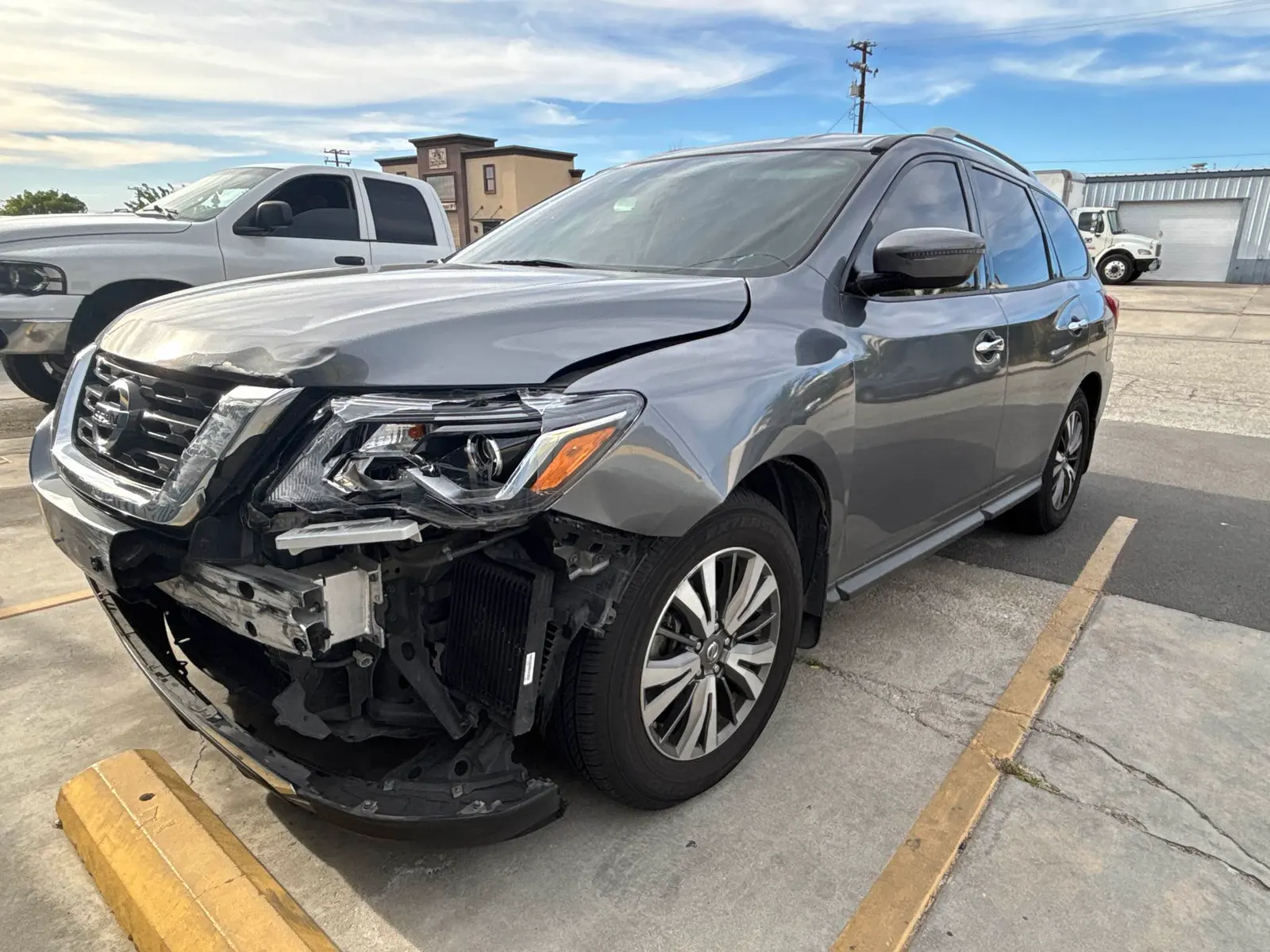
What Undercarriage Damage Actually Is
The undercarriage, the entire underside of your vehicle, is one of the most damage-prone and least inspected parts of the car. It's also where some of the most consequential damage hides. A vehicle that "looks fine" from the outside can have a bent frame rail, a cracked oil pan, a torn exhaust hanger, or fractured suspension mounts directly underneath.
Common causes of undercarriage damage:
- Bottoming out. Speed bumps taken too fast, dipped driveways, potholes, off-road terrain. The leading edge of the vehicle (front skid plate, bumper bracket) and the suspension cross-members take the brunt.
- Road debris. Tire treads, lumber, rocks, and miscellaneous objects kicked up by other vehicles or fallen onto the road. Even a small piece of debris hitting at highway speed can puncture an oil pan or tear a heat shield.
- Flood and standing water. Submerged components get water in places water doesn't belong, transmission, differential, electrical connectors, brake hardware.
- Off-road incidents. Trail use, dropoffs, rock crawling. Common on Defenders, Wranglers, 4Runners, Tacomas, and any truck used for actual off-roading.
- Low-speed impacts. Curb strikes, parking-lot pole hits, and even minor collisions transfer force into the undercarriage even when the visible body damage is minor.
- Animal strikes. Hitting an animal at speed often pushes debris under the vehicle and damages components the driver never sees.
What We Inspect and Repair
The undercarriage is a system, not a single part. Damage in one area frequently propagates. We inspect and repair:
- Exhaust components. Catalytic converter shielding, exhaust pipes, mufflers, hangers, and oxygen sensor mounts.
- Heat shields. Stamped metal panels that protect the cabin and adjacent components from exhaust heat. Damaged heat shields rattle, vibrate, and can cause exhaust system failures.
- Skid plates and underbody protection. OEM aluminum or steel panels that protect the engine, transmission, and fuel tank. Often dented or torn after off-road or pothole damage.
- Oil pan and transmission pan protection. The pans themselves and their crash protection brackets. Damage here is often urgent, a cracked oil pan can drain the engine in minutes.
- Frame rails and crossmembers. The structural backbone of the vehicle. Bent or fractured frame rails compromise crash performance and handling.
- Suspension mounting points. Control arm pickup points, sway bar mounts, shock and strut mounts. Damage here causes alignment problems that can't be fixed by alignment alone.
- Subframes and engine cradles. The metal structure holding the engine in place. Damage here is structural.
- Underbody coatings. Rust-prevention coatings and sound-deadening underlayments. Damaged coatings expose bare metal to corrosion.
- Fuel and brake lines. Steel and rubber lines running the length of the vehicle. Damage causes leaks, both safety-critical.
- Wiring harnesses and connectors. Sensor wiring, ABS sensors, ride-height sensors, exhaust temperature sensors, all run along the underside.
Why Insurance Adjusters Miss Undercarriage Damage
The standard insurance adjuster process, photos sent through an app, no physical inspection, almost guarantees that undercarriage damage gets missed. Photos taken from a few feet away of the front, side, and rear of the vehicle don't show what's underneath. The adjuster's software can't infer it. The desk estimate doesn't include it.
Then the vehicle comes into the shop, and on the lift, the damage is obvious: torn skid plate, dented exhaust, cracked frame rail bracket, bent control arm mount. That damage requires a supplement to the original claim, and if the shop isn't looking for it, the customer drives away with damage that's costing them long-term: alignment problems, premature tire wear, exhaust leaks, eventual structural fatigue.
We inspect the undercarriage as part of every collision estimate. No exceptions. If the vehicle was on the lift for any reason, we take the extra minutes to actually look. See more on supplements and insurance gaps →
How We Repair Undercarriage Damage
The right repair depends on the component and the extent of damage:
- Heat shields, skid plates, exhaust hangers. Usually direct replacement with OEM or quality aftermarket parts. Quick fixes once the part is in.
- Exhaust system damage. Section replacement (cat-back, mid-pipe) or full system if needed. Welding and clamp installation where appropriate.
- Suspension mount damage. Frame straightening on our frame machine, weld-in mount replacement on heavier damage, full alignment after repair.
- Frame and structural damage. Hydraulic pulls on our frame machine to bring the structure back into alignment, weld-in replacement of damaged sections when pulling alone isn't enough. See our frame straightening process →
- Subframe and engine cradle damage. Usually replacement rather than repair, the integrity of these structural components matters too much to patch.
- Underbody coating restoration. Rust treatment, primer, and replacement of damaged sound-deadening or anti-corrosion layers.
- Fluid line damage. Replacement and pressure-testing of brake lines, fuel lines, transmission cooler lines.
- Wiring repair. Connector replacement, harness splicing where allowed, full harness replacement on severe damage.
The Hidden-Damage Problem
The biggest danger with undercarriage damage isn't the damage itself, it's the damage that gets driven on for months or years before it's discovered. A bent suspension mount might not cause obvious symptoms for a long time. Eventually it shows up as uneven tire wear, alignment that won't hold, or a clunk over bumps. By the time it's diagnosed, the suspension and tires have absorbed thousands of dollars of secondary damage that proper initial repair would have prevented.
A cracked oil pan from a pothole strike can fail catastrophically, dropping all the engine oil in minutes and seizing the engine on the freeway. A damaged frame rail compromises crash performance, the next collision is the one that demonstrates it. A torn heat shield rattling against the floor pan eventually wears through and starts an exhaust gas leak into the cabin.
The right time to find undercarriage damage is during the original collision repair, before it has the chance to cause secondary problems.
Cost and Insurance Coverage
Undercarriage repair pricing varies widely with the damage:
- Heat shield or skid plate replacement: $150-600 per panel including labor
- Exhaust section replacement: $300-1,500 depending on the section and vehicle
- Suspension mount weld-in or replacement: $800-2,500
- Frame straightening with section replacement: $1,500-4,000+
- Subframe or engine cradle replacement: $2,500-6,000+
- Full undercarriage refurbishment after off-road or flood damage: highly variable, project-specific
Insurance coverage:
- Collision pays for undercarriage damage from accidents, single-vehicle (bottoming out, hitting an object) and multi-vehicle.
- Comprehensive pays for flood damage, animal strike damage, and damage from objects (falling debris).
- Both are subject to your deductible. Most undercarriage repairs significantly exceed typical deductibles, so filing makes sense.
We file the supplements with your insurer when we find additional undercarriage damage during the repair. See the full list of carriers we work with →